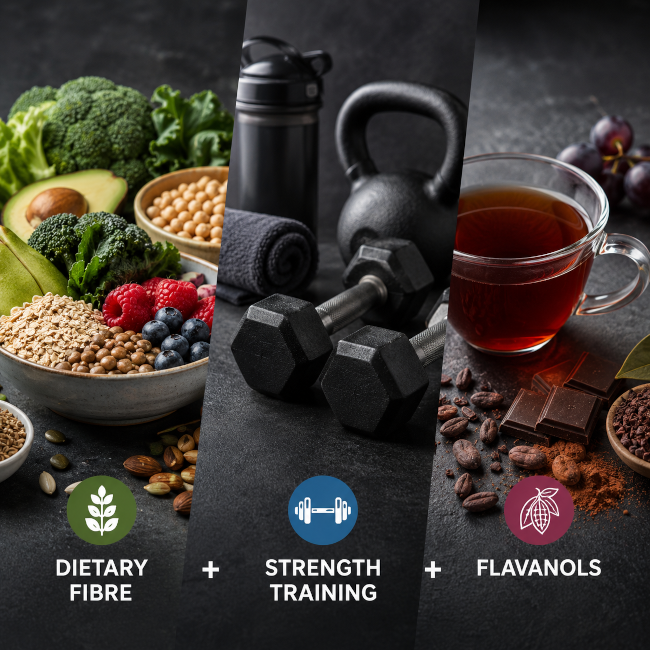
Every now and then a BBC News article pops up that piques our interest. On this occasion we’ve actually gathered a few! Here are three articles that we found particularly interesting in recent times.
The first one is on the subject of Dietary Fibre:
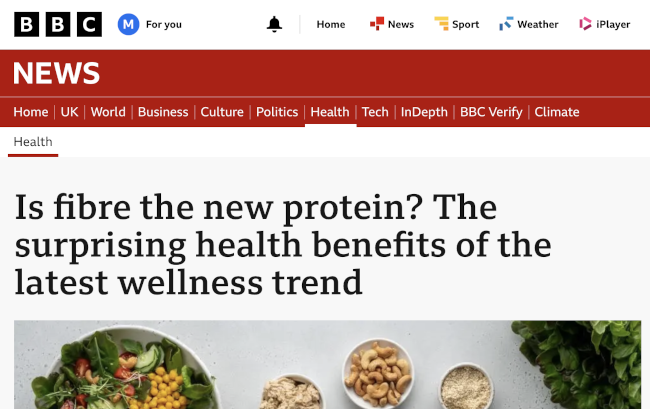
https://www.bbc.co.uk/news/articles/c1lze6n0e6mo
There’s lots to take on board from this article, but the area the headline for us is the is that The Lancet’s meta-analysis suggests that there’s a direct correlation between those consuming a high fibre diet and longevity (length of life):
https://www.thelancet.com/journals/lancet/article/PIIS0140-6736(18)31809-9/fulltext
According to the BBC article, Kevin Whelan, professor of Dietetics at King’s College London says “People who have a higher fibre intake will live longer, have less cardiovascular disease, fewer cancers and are at a lower risk of conditions like diabetes… and some studies suggest it can help our mental health too.”
We’ll write a comprehensive article on this subject in the future, but it’s fascinating and linked to the prebiotic benefits of fibre on gut health – an area that’s being increasingly researched.
Our tip – pile up the fruit and vegetables and move towards a more vegetarian diet. You don’t need to transition completely to vegetarianism, but replace meat with mixtures of pulses and grains for some meals (this means combining beans with cereals). This will simultaneously raise the fibre levels in your diet and provide you with the high quality protein you need.
The second BBC article focusses on Strength Training:
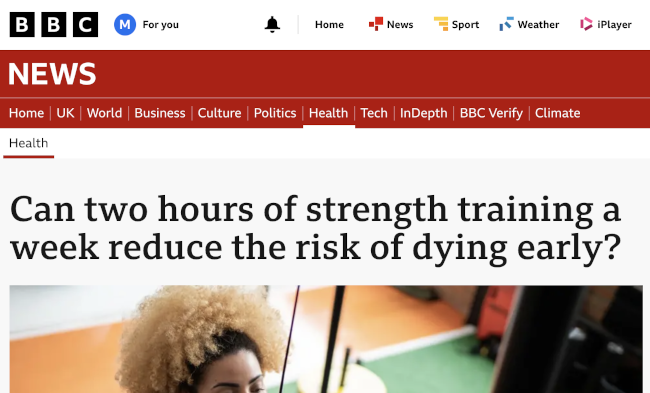
https://www.bbc.co.uk/news/articles/c0r2lekenlpo
We found this particularly interesting, because we know how most endurance athletes tend to be a bit complacent about doing resistance exercise. It’s a bit mindless eh? Well, as fitness professionals, we would always recommend resistance training as part of your overall training plan for a whole host of reasons, including injury prevention and increased anaerobic power/lactate clearance.
Again, the BBC article talks about longevity and how new research by the British Journal of Sports Medicine suggests a dose-response relationship between resistance exercise and how long you live. The benefits are further enhanced if you add endurance exercise into the mix too. The research looked at data gathered from 1992 up until a few years ago and included 147,000 participants!
https://bjsm.bmj.com/content/60/12/874
According to the BBC:
“Doing 90 minutes to two hours of weight training per week can greatly reduce the risk of an early death”
Our tip – you’re already getting huge life-enriching benefits from endurance exercise, but you can move to another level by adding some regular resistance exercise into your weekly routine.
The final BBC article that grabbed our attention was on the subject of Flavanols:
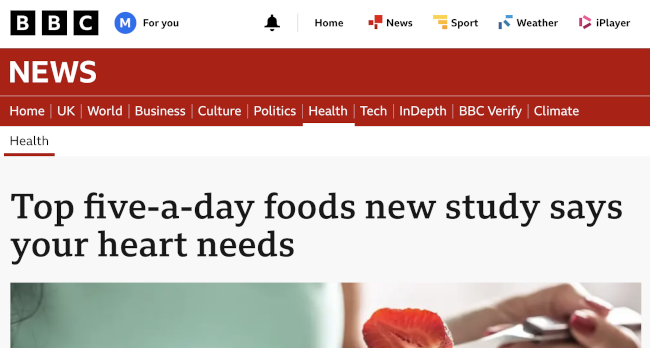
https://www.bbc.co.uk/news/articles/ce3p3z5d63po
This article talks about how, despite following a high fibre diet (the subject of our first discussion), many people miss the 500mg flavanol target they should be hitting in order to receive cardiovascular benefits. The review outlined in the Food and Function journal looked at data from 30,000 people from the UK and US and found that less than one in five of us get enough flavanols, despite consuming adequate fibre:
https://pubs.rsc.org/en/content/articlelanding/2026/fo/d6fo00867d
So, what are flavanols? The BBC article explains:
“These antioxidants, found in certain foods, can support heart health, circulation and blood vessel elasticity by reducing inflammation.”
In the article, they mention blueberries, plums, blackberries, broad beans, cherries and green tea. We delved a little deeper into this subject and found that normal tea has pretty much the same levels of flavanols as green tea. You can add dark chocolate to the list too. We also found that robust red wines like cabernet sauvignon are bulging with flavanols. Referred to as the ‘French paradox’ there’s the suggestion that despite the potential negatives of alcohol consumption, the long healthy lives represented in the French population is proof that red wine is good for you!
Our tip – drink tea. A couple of large cups of tea per day, green or otherwise will go a long way towards satisfying your flavanol requirements. Eat plenty of dark-coloured fruit and this will help you with your fibre intake too. We don’t think there’s anything wrong with high cocoa dark chocolate. An occasional glass of robust red wine? We’ll let you decide…
If you have any questions about this article or any other subject, please don’t hesitate in contacting us at enquiries@torqfitness.co.uk or phone 0344 332 0852.